
Last updated September 21, 2026
Full 25-point door and opener safety check with every visit - springs, cables, rollers, tracks, and your LiftMaster or Chamberlain opener included
You get a price before we start. It does not change when the truck arrives.
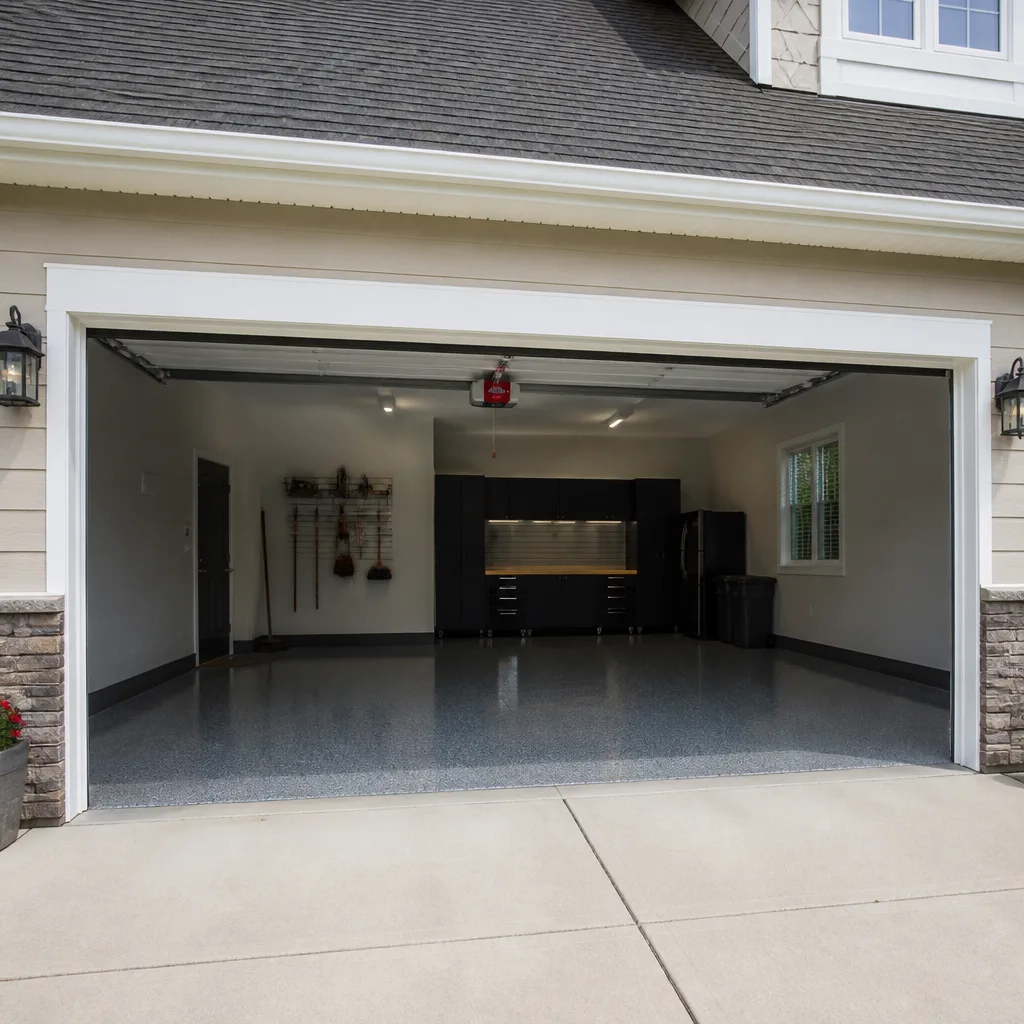
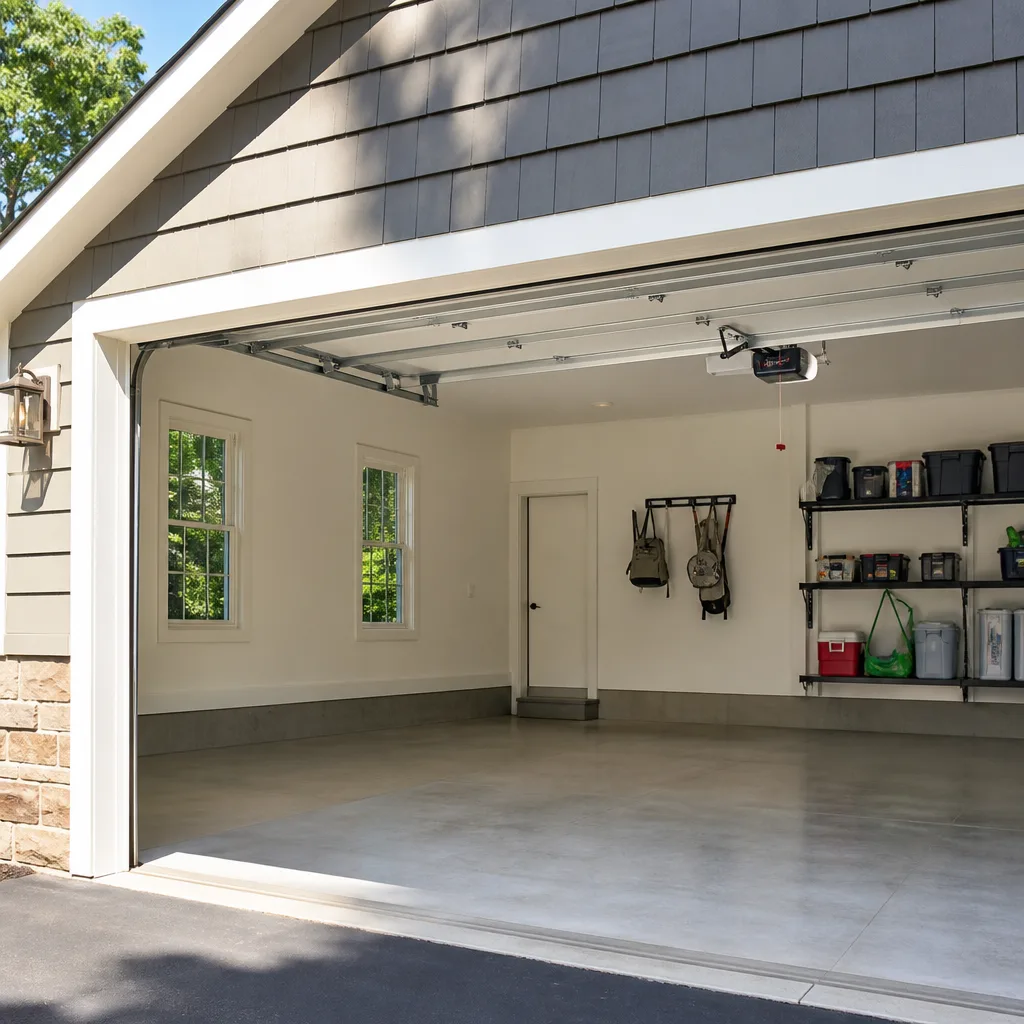
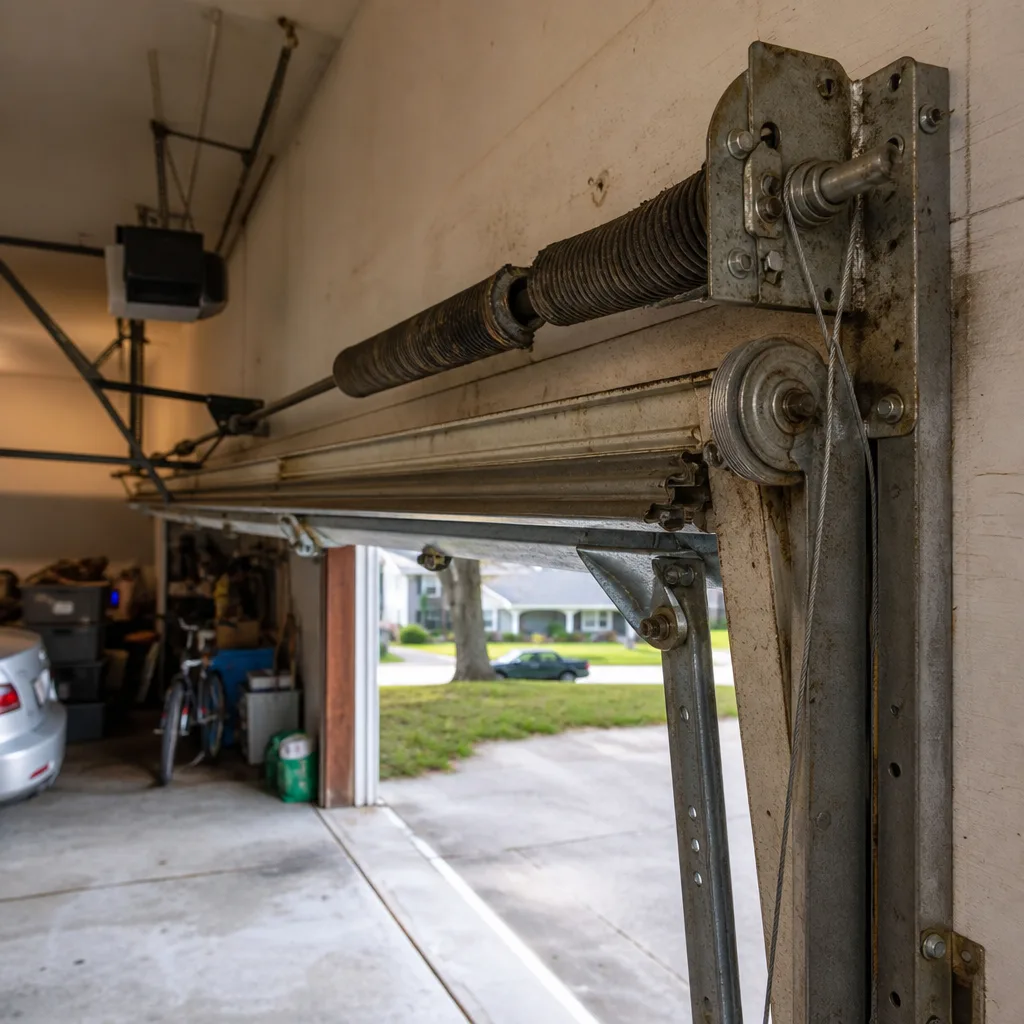 Before
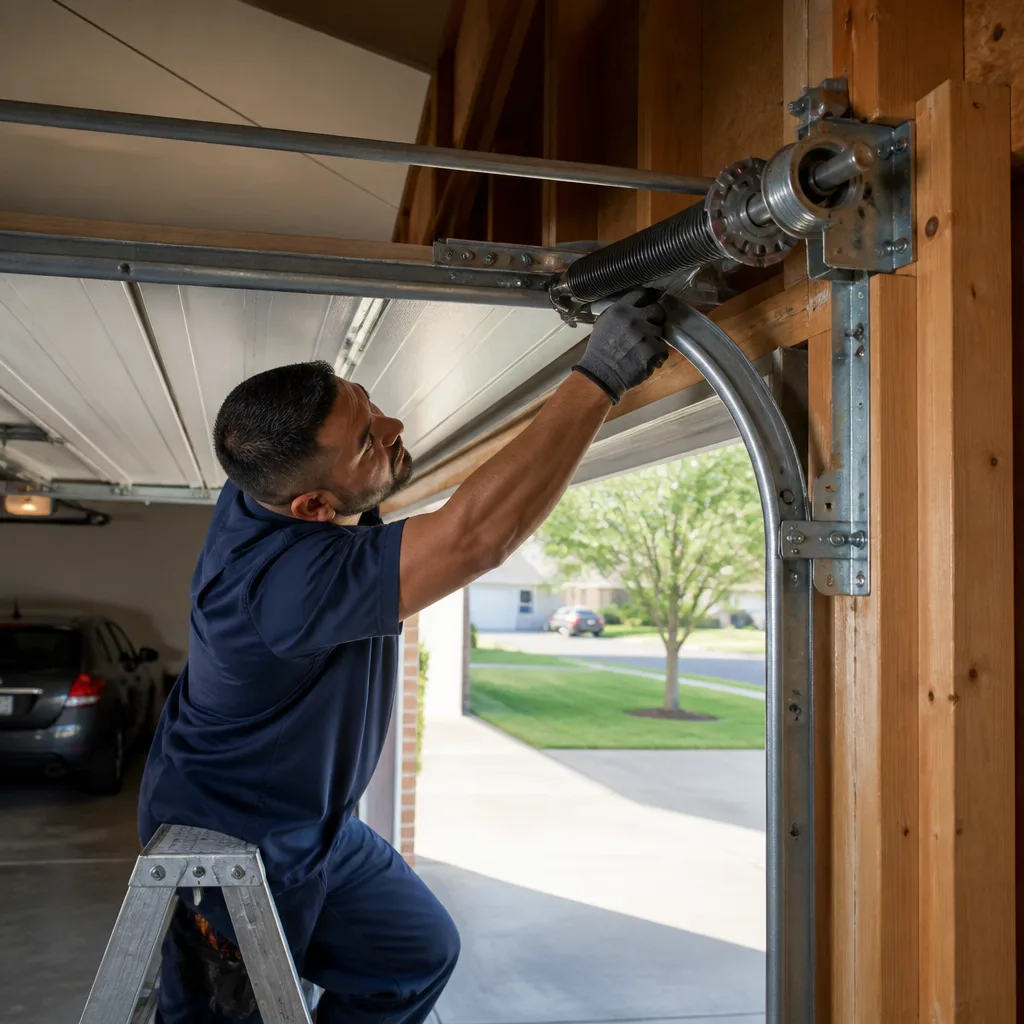 After
After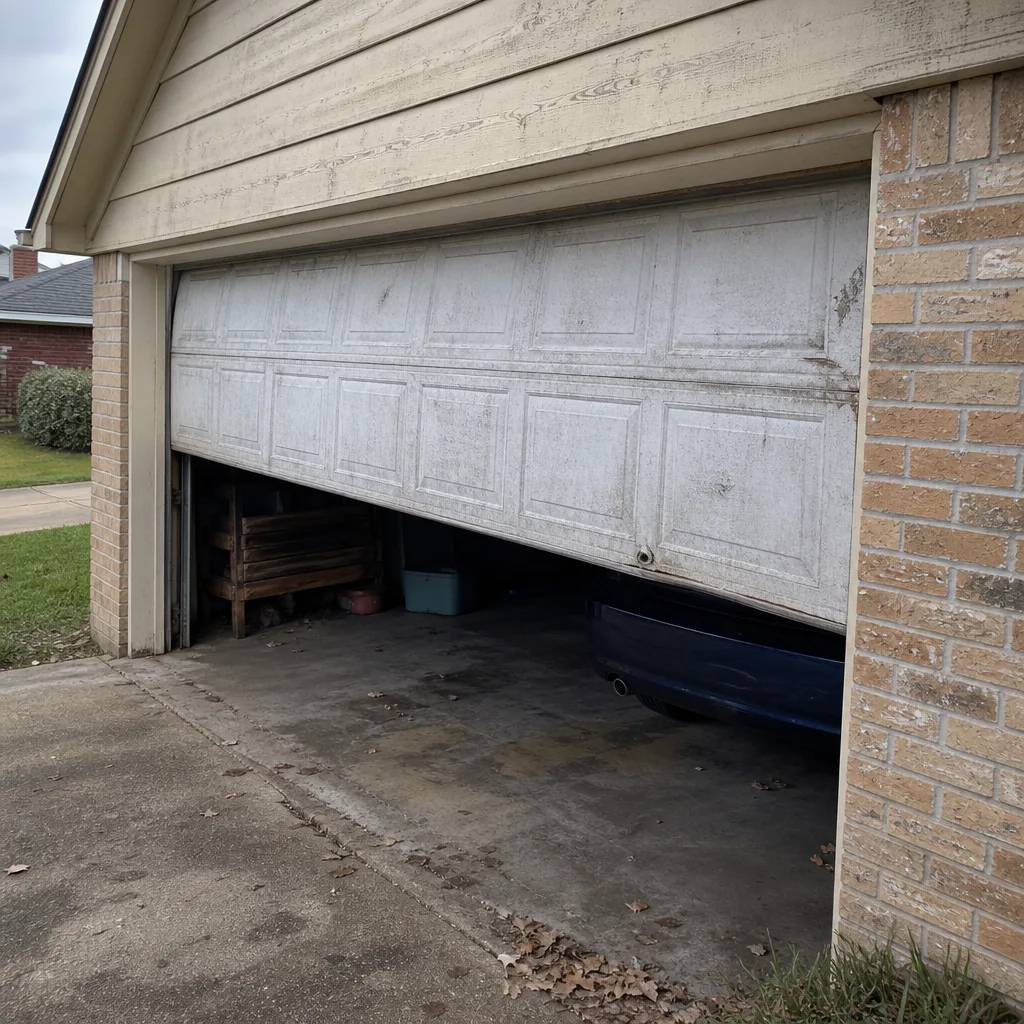 Before
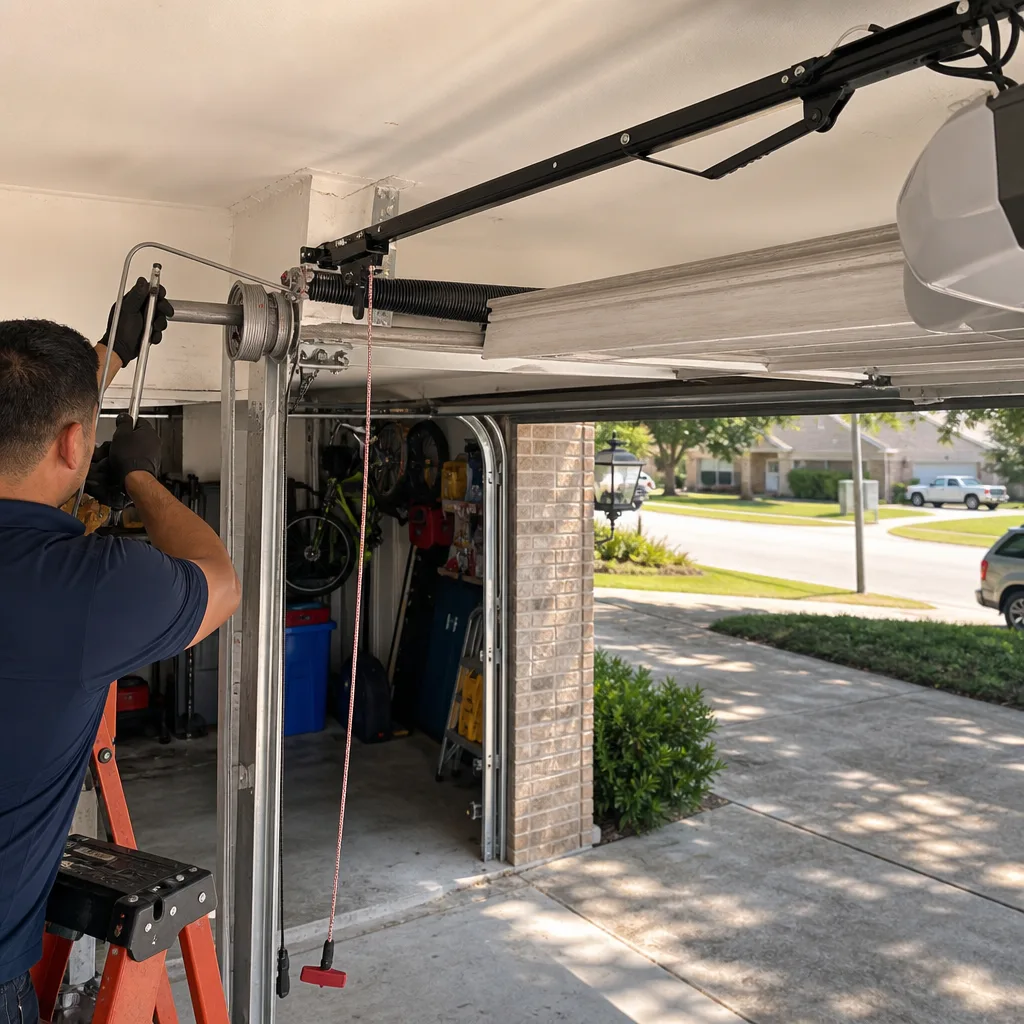 After
After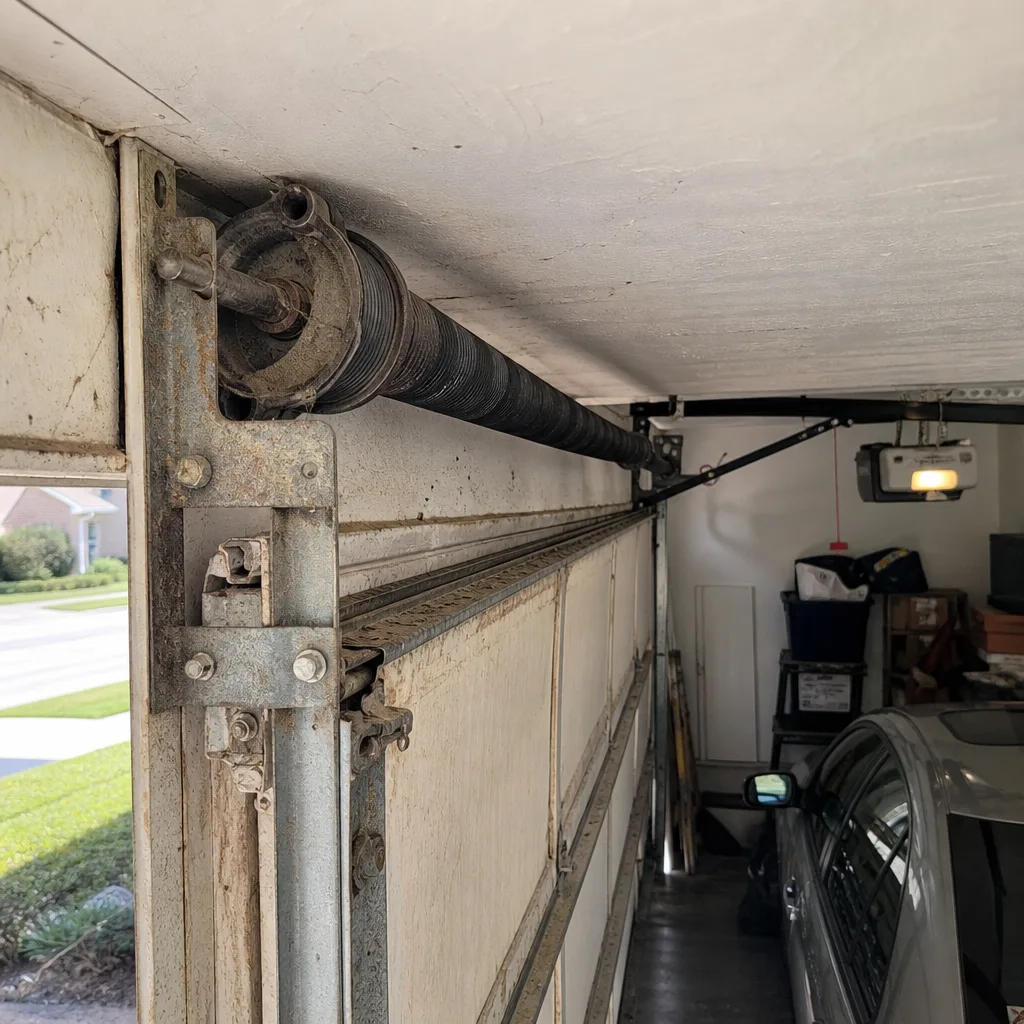 Before
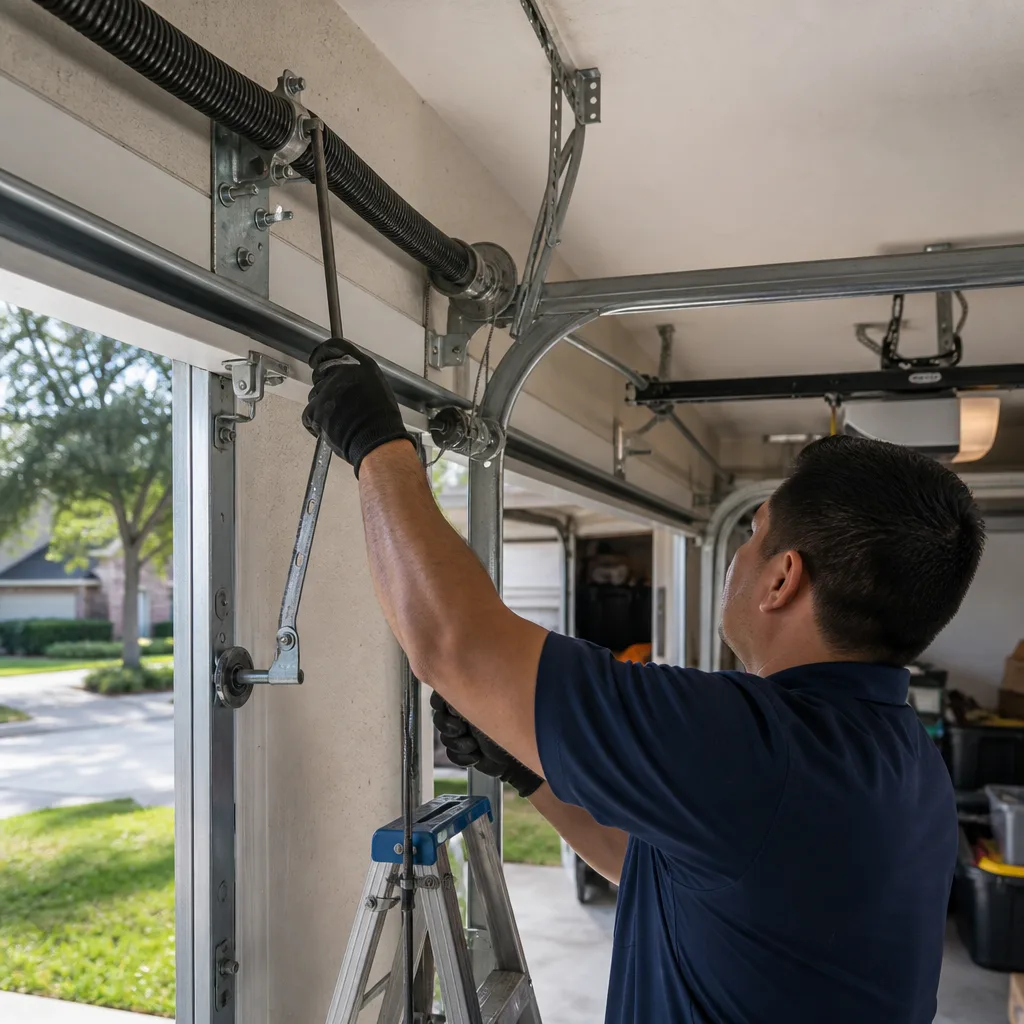 After
AfterGarage Door Permits, Codes & Inspections in TX: What You Need to Know
An unpermitted garage door replacement doesn’t void your homeowner’s insurance on day one. It voids it retroactively if a claim involves the door, including a break-in where investigators find the installation was never filed with Harris County. In Tomball, we’ve seen this scenario twice in the past three years. This guide maps exactly which garage door work triggers which filings, so you know the rules before any contractor arrives, and you know what documentation to demand after they leave. For how to hire a garage door contractor in Tomball: a step-by-step guide, see our companion resource.
Quick Answer
Texas has no statewide garage door contractor license, but Harris County requires permits for any garage door replacement that alters the opening size, changes the structural header, or modifies fire-rated assemblies on attached garages. Replacement-in-kind, where the same size door goes back into the same opening with no structural changes, typically does not require a permit in unincorporated Harris County, though Tomball’s city limits and many local HOAs impose additional requirements.
Table of Contents
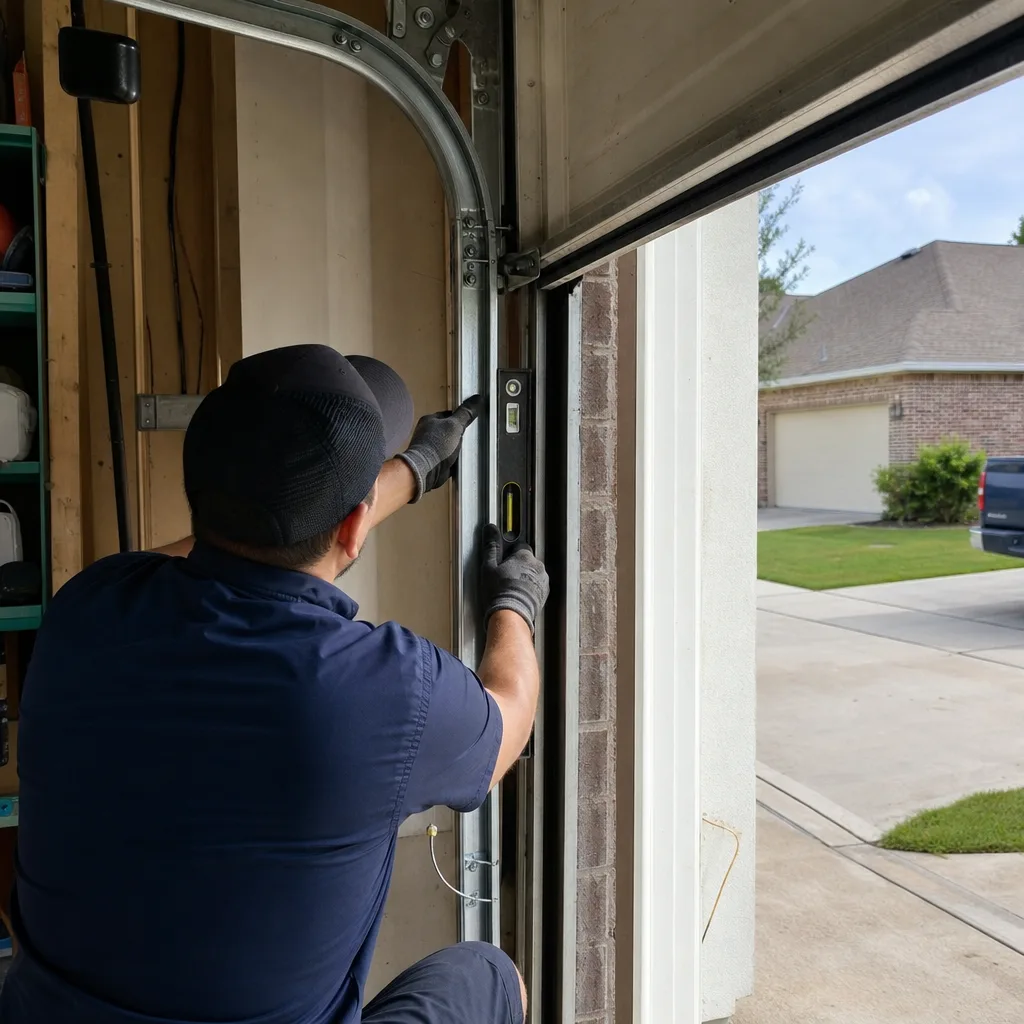
- Why Texas Has No Statewide Garage Door License (And What That Means for You)
- Harris County Permit Triggers: Replacement-in-Kind vs. Structural Modification
- IBC, IRC, and Fire-Rating Requirements for Attached Garages
- Tomball HOA Architectural Guidelines: What to Request Before You Buy
- The Inspection Sequence: What Inspectors Check and What Fails Most
- How Texas’s Liability Shift Affects Your Written Contract
- How Unpermitted Work Can Void Your Homeowner’s Insurance
- Common Mistakes to Avoid
- When to Call a Professional
- Frequently Asked Questions
- The Bottom Line
 Before
 After
AfterWhy Texas Has No Statewide Garage Door License (And What That Means for You)
Texas is one of a handful of states with no mandatory contractor licensing for garage door work. The Texas Department of Licensing and Regulation does not classify garage door installation or repair as a regulated trade. Electricians need licenses. Plumbers need licenses. Garage door technicians do not.
This is frequently misread as “no rules.” It is not. It is “no state-level gatekeeper,” which pushes every obligation downward: to county permit offices, to municipal code enforcement, to HOA architectural committees, and ultimately to the homeowner who signs the contract.
What this means in practice: any person with a truck and tools can legally call themselves a garage door company in Texas. There is no state board to check for complaints, no continuing education requirement, no bond that must be posted before work begins. The homeowner becomes the quality-control department.
Here’s how we handle this at Servo Garage Doors Tomball home. Because there is no state license to display, we show our Harris County registration, our general liability insurance certificate, and our technician’s background-check documentation before any work is discussed. Clause 1 of The Haven Standard requires a flat, written price and written scope before any work starts. Clause 4 requires the technician to photograph the failed component before quoting a replacement. The documentation becomes your protection in a state that offers none at the regulatory level.
In Tomball specifically, the lack of state oversight hits harder because of our position on the Harris County-Montgomery County line. A technician working in the Tomball city limits may need to know Tomball’s municipal code. A technician working two blocks north in unincorporated Harris County faces different rules. A technician working west toward Waller County enters yet another jurisdiction. The company that does not ask your exact address before quoting is a company that has not thought about which code book applies.
Key implications for Texas homeowners:
- No state license means no state recovery fund if a contractor disappears with your deposit
- No mandatory bonding means you must verify insurance independently
- No continuing education means the technician’s knowledge of current code is entirely self-directed
- No inspection requirement for replacement-in-kind means many installations happen with no third-party verification
The remedy is not to wish for regulation that does not exist. It is to build your own documentation requirements into the hiring process, and to understand which local permits and inspections apply to your specific property. Our Garage Door Repair Maintenance Checklist for Tomball Homeowners covers what to verify at each stage.
Harris County Permit Triggers: Replacement-in-Kind vs. Structural Modification
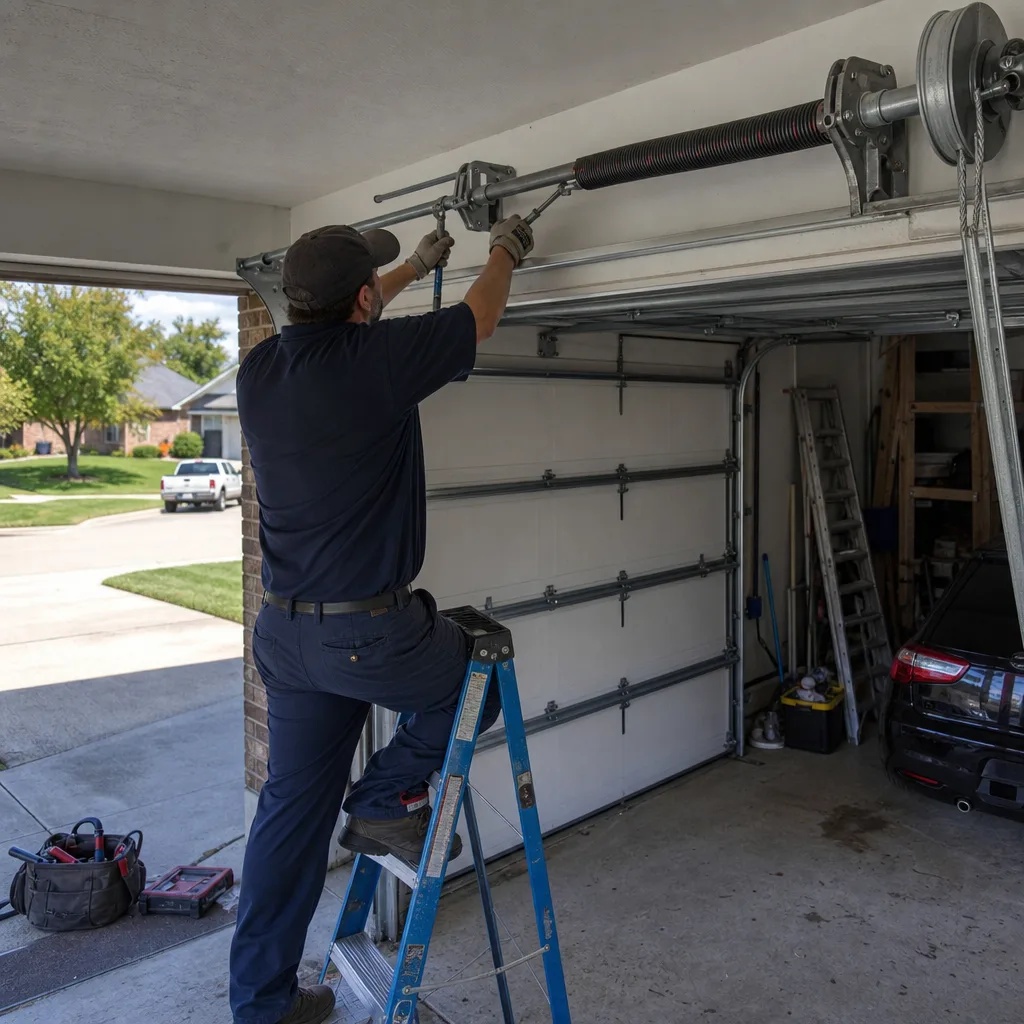
Harris County’s permit requirements for garage door work fall into three categories. Understanding which category your project occupies determines whether you need to file, pay, and schedule inspection.
Category 1: Replacement-in-Kind
This is the most common scenario. An existing garage door, same dimensions, same type, is removed and a new door is installed in the same opening. No header is modified. No wall framing is altered. The garage door opener is replaced or reinstalled in the same location.
In unincorporated Harris County, this typically does not trigger a permit requirement. The work is considered maintenance or repair, not construction. This is why many Tomball-area homeowners are surprised to learn their installation was never inspected: because for replacement-in-kind, no inspection was required.
The risk is that “same opening” is interpreted loosely. If the new door is 2 inches wider and the technician cuts jack studs to make it fit, that is no longer replacement-in-kind. It is structural modification, and it requires a permit that was never pulled.
Category 2: Structural Modification
A permit is required in Harris County when any of the following occur:
- The rough opening dimensions change, requiring header modification or jack stud relocation
- A new garage door opening is created in an existing wall
- The garage door type changes in a way that affects load distribution (for example, replacing a sectional door with a solid, non-sectional door that imposes different wind loads)
- The work involves structural attachment to the foundation or stem wall
The permit application goes to the Harris County Permit Office (or the Harris County Engineering Department for unincorporated areas). The fee structure as of 2024 starts at approximately $150 for residential garage door modifications, with additional fees for plan review if structural drawings are required. Total permit costs for typical residential garage door structural modifications in the Tomball area generally range from $150 to $400 depending on complexity and whether expedited review is requested.
Category 3: New Construction
New residential construction with a garage door opening requires a building permit as part of the overall structure permit. The garage door is inspected as part of the final building inspection sequence, not as a standalone item.
Tomball city limits add a layer. The City of Tomball has its own building department and issues permits independently of Harris County. If your property is inside Tomball city limits, you must check with Tomball’s Building Official at (346) 703-6675 to determine whether replacement-in-kind is exempt or whether all garage door work requires a permit. In our experience, Tomball’s enforcement has tightened since 2021, and several subdivisions that were previously treated as unincorporated are now clearly within city jurisdiction.
Practical check: enter your address in the Harris County Tax Assessor’s property search. If the jurisdiction field shows “Tomball,” you need Tomball’s permit, not Harris County’s. If it shows “Unincorporated Harris County,” Harris County rules apply. If it shows a municipal utility district or special district, call the district directly. The technician who does not ask this question is planning to work without a permit regardless of what the law requires.
IBC, IRC, and Fire-Rating Requirements for Attached Garages
Harris County has adopted the 2021 International Building Code (IBC) and the 2021 International Residential Code (IRC) with local amendments. For garage door work, the relevant sections are IRC R302.6 and IBC 716, which govern fire separation between attached garages and dwelling units.
IRC R302.6: Fire Separation
The IRC requires that garage walls and ceilings adjacent to living spaces maintain a one-hour fire resistance rating. The garage door itself is not required to be fire-rated unless it opens directly into a living space, which garage doors do not. However, the wall assembly above, beside, and between the garage door and the living space is regulated.
Where this matters for garage door installation: if the header above the garage door is part of a fire-rated wall assembly, any modification to that header requires the assembly to be restored to its rated condition. A technician who cuts into a fire-rated header to widen an opening and does not restore the fireblocking and draftstopping has created a code violation that an inspector will flag, and that your insurance company may use to deny a future claim.
IBC 716: Opening Protectives
The IBC section on opening protectives applies more commonly to commercial garage doors or residential buildings with mixed occupancy. In Tomball’s newer subdivisions, particularly those with alley-loaded garages or detached garage structures that share a wall with another unit, this section may apply where the IRC would not.
Wind-Borne Debris Regions
Tomball sits in Harris County’s inland zone, but Harris County has adopted wind speed requirements from the IBC/IRC that affect garage door selection. The 2021 codes specify a design wind speed of 130 mph for this region. Garage doors must be rated for the design wind speed or be protected by rated shutters. Most Clopay, Amarr, and Wayne Dalton doors sold in the Tomball market carry wind-load ratings, but the rating must match the specific exposure category of your home. A door rated for 120 mph in a sheltered subdivision may not meet code for the same door on an exposed corner lot.
We document this in our photo record. Clause 4 of The Haven Standard requires the technician to photograph the existing door’s wind-load label before removal, and to photograph the new door’s label after installation. If the labels do not match or exceed the design requirement, we note the discrepancy in writing before the customer signs the completion documentation.
What to request from any contractor:
- The specific IRC or IBC section they are designing to
- The wind speed rating of the proposed door, with documentation
- Written confirmation that any modified fire-rated assembly will be restored to code-compliant condition
- Photographs of existing conditions before modification begins
Tomball HOA Architectural Guidelines: What to Request Before You Buy
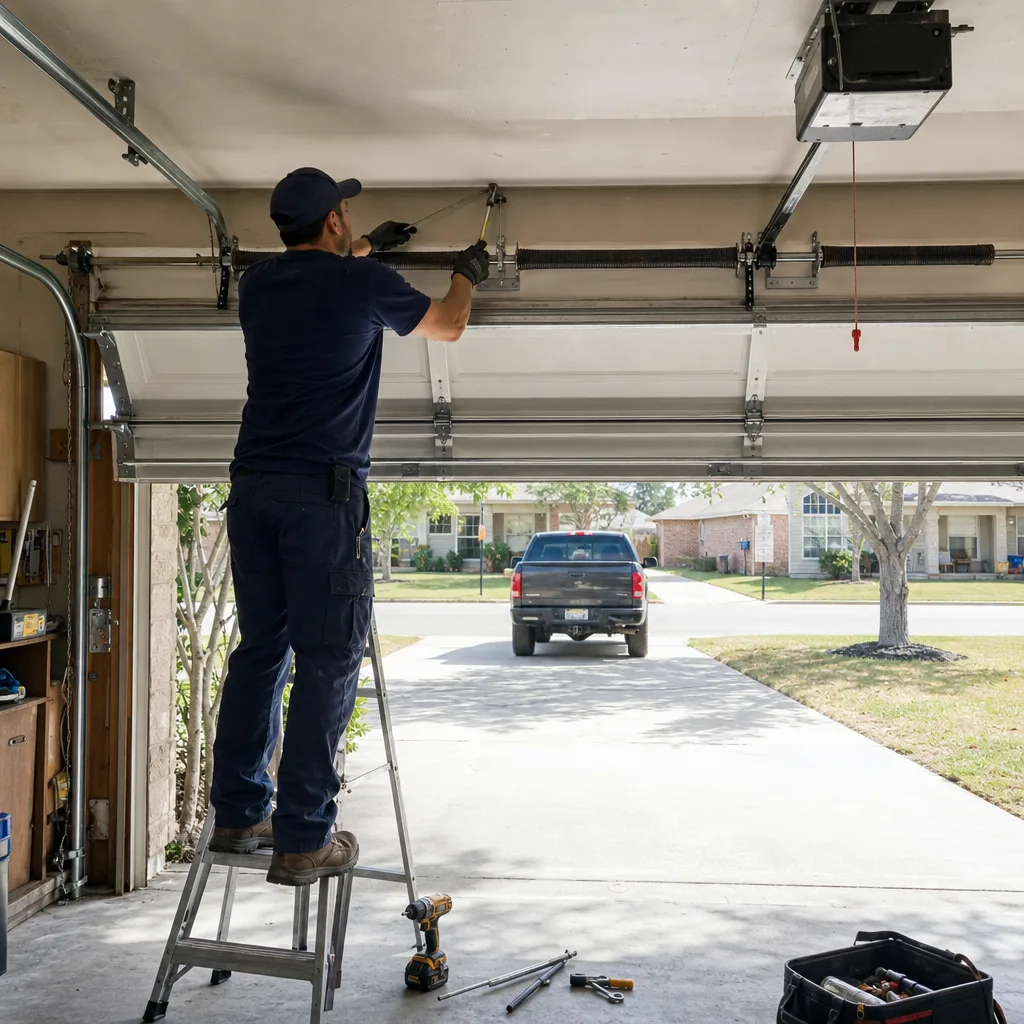
Texas law gives HOAs broad authority to regulate exterior appearance through deed restrictions and architectural control committees. In Tomball’s planned subdivisions, these restrictions frequently exceed county code requirements for garage doors. The mistake is assuming that passing a county inspection means you are compliant with your HOA.
Documents to request before any garage door work:
- The Declaration of Covenants, Conditions, and Restrictions (CC&Rs): Look for sections titled “Architectural Control,” “Exterior Improvements,” or “Garage and Parking.” Some Tomball subdivisions, particularly those built between 2015 and 2020, specify exact door styles, colors, or window configurations.
- The Architectural Guidelines or Design Standards: These are often separate from the CC&Rs and more detailed. The Village Creek subdivision in Tomball, for example, requires pre-approval for any garage door replacement that changes the visible exterior color or panel style.
- The ACC Application Form: Request the current form and submission requirements. Some HOAs require manufacturer cut sheets, color samples, or photographs of neighboring homes for context.
- The Fine Schedule: Know the penalty for proceeding without approval. In several Tomball-area HOAs, the fine is $100 to $500 per week until compliance is achieved, plus the cost of reversing the work.
Common HOA requirements in Tomball-area subdivisions:
- Color matching to a specific palette, often Sherwin-Williams or Benjamin Moore codes
- Window placement restrictions, particularly for garage doors facing the street
- Prohibition of certain materials, such as uninsulated single-layer steel in visible elevations
- Requirement for specific panel designs, such as recessed rather than raised panels
- Mandated use of “quiet” or belt-drive openers in certain zones
We have replaced doors in Tomball where the homeowner purchased a door online, had it installed by a handyman, and received a compliance notice two weeks later. The door was code-compliant. It was not HOA-compliant. The cost to remove and replace exceeded the original installation price. The Haven Standard’s documentation requirement, Clause 4, exists partly to prevent this: we photograph the existing door, note any HOA-mandated features, and confirm in writing that the proposed replacement meets or exceeds those requirements.
If you are unsure whether your Tomball subdivision has active architectural review, check the Harris County Clerk’s real property records for your lot. Deed restrictions are recorded documents. The HOA’s management company is also required to provide current documents upon written request under Texas Property Code Section 209.006.
The Inspection Sequence: What Inspectors Check and What Fails Most
When a permit is required in Harris County or Tomball, the inspection sequence follows a predictable pattern. Understanding what the inspector checks allows you to prepare and to evaluate whether your contractor’s work will pass before the inspector arrives.
Step 1: Rough Inspection (if structural)
For projects involving header modification or new opening creation, a rough inspection occurs before the door is installed. The inspector verifies:
- Header size and span match the approved plans
- Jack studs and king studs are properly placed and fastened
- Fireblocking is in place where required
- Structural connections to existing framing are adequate
Common failure at this stage: undersized header. A 16-foot garage door opening in a load-bearing wall typically requires a minimum 2×12 header with appropriate trimmer studs, or an engineered LVL header with manufacturer specifications. A contractor who installs a 2×10 to save cost will fail rough inspection and must open the wall again.
Step 2: Final Inspection
The final inspection occurs after door installation is complete. The inspector verifies:
- Door operation: The door must open and close smoothly without binding. The inspector will typically operate the door manually and with the opener.
- Safety devices: All residential garage doors must have operational safety sensors, typically photoelectric eyes mounted 6 inches above the floor, aligned and unobstructed. The door must reverse when the beam is interrupted.
- Force settings: The opener’s down-force setting must be adjusted so the door reverses upon contact with a test object, typically a 2×4 laid flat.
- Hardware and fasteners: All track brackets, jamb brackets, and roller supports must be securely fastened with appropriate fasteners for the substrate.
- Weatherstripping and seals: The door must seal against the opening perimeter to prevent pest and weather intrusion.
- Wind-load documentation: In Harris County, the inspector may request the door’s wind-load certification label or documentation.
What fails most often in Tomball-area inspections:
Safety sensor misalignment is the most common failure, particularly in installations where the technician did not verify sensor function after concrete settling or wall movement. Tomball’s gumbo clay soil shifts seasonally, and a sensor aligned in dry summer may be out of alignment after spring rains. We check and document sensor alignment on every service call, not just installations, because we have seen this failure pattern repeatedly. These are among the garage door warning signs: a Tomball homeowner’s reference guide we publish to help residents spot trouble early.
Second most common: improper fastener selection for steel or masonry jambs. Wood screws into steel studs pull out. Tapcon-style anchors into deteriorating CMU fail. The inspector will tug on track brackets; if they move, the installation fails.
Third: missing or inadequate wind-load documentation. The door may be rated, but if the label is not visible or the paperwork is not on site, the inspector may require a return visit after documentation is produced.
How Texas’s Liability Shift Affects Your Written Contract
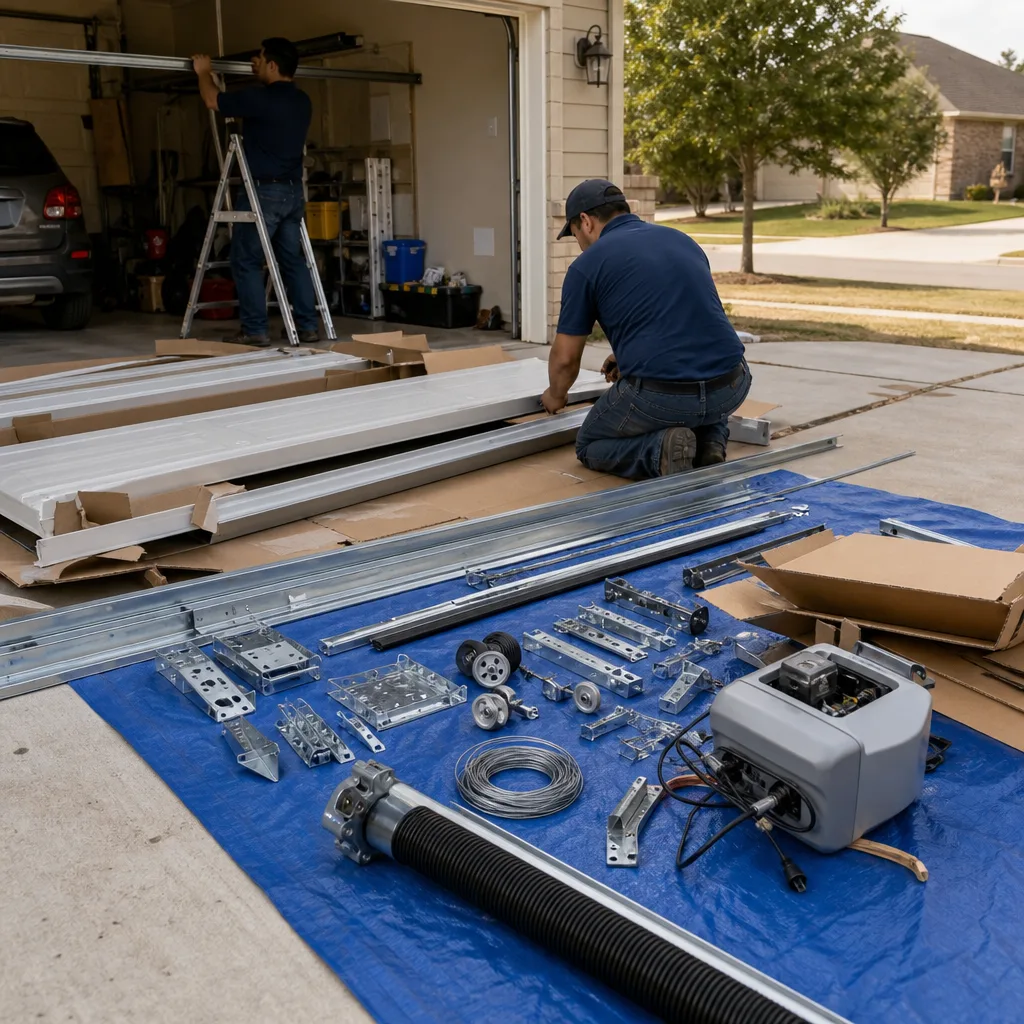
Texas’s lack of a mandatory garage door contractor license shifts liability squarely to the homeowner in ways that are not immediately obvious. When you hire an unlicensed, uninsured, or underinsured contractor, you become the general contractor under Texas law. Their negligence becomes your liability.
The liability chain works like this:
- A technician installs a garage door without proper fasteners
- The door detaches and damages a vehicle, or worse, injures a person
- The technician’s insurance, if any, denies the claim based on faulty workmanship
- The homeowner’s insurance may deny based on unpermitted work or negligent contractor selection
- The homeowner becomes the defendant in any civil action
The written contract is your primary defense against this liability shift. A proper contract for garage door work in Texas should include:
- The contractor’s legal business name, physical address, and tax ID or state registration number
- Certificate of insurance naming you as additional insured, or at minimum providing proof of general liability and workers compensation coverage
- Explicit statement of who is responsible for permit application, payment, and scheduling inspection
- Written scope of work with door specifications, opener model, and hardware details
- Flat, total price with payment schedule, per Clause 1 of The Haven Standard
- Warranty terms in writing, including duration and what is covered
- Mechanism for dispute resolution
At Garage Door Installation in Tomball, our contract includes all of these elements before any work begins. The Haven Standard requires it. We also include the documented photo record clause: the customer receives photographs of findings and completed work, creating a contemporaneous record that protects both parties if questions arise later.
One specific Tomball consideration: if your home is in a flood zone or has a history of foundation repair, include a clause addressing who is responsible for re-alignment if soil movement affects door operation within the warranty period. Tomball’s expansive clay soils make this a realistic concern, not a theoretical one. We have adjusted doors six months after installation due to foundation movement that was not present at the time of original measurement. Our warranty covers this adjustment because we specified it in the original contract.
How Unpermitted Work Can Void Your Homeowner’s Insurance
This is where the opening hook becomes concrete. Homeowner’s insurance policies in Texas contain standard exclusions for losses caused by faulty, inadequate, or illegal construction. The language varies by carrier, but the core provision is consistent: if a loss is traceable to work that violated applicable building codes or permit requirements, the insurer may deny coverage.
The retroactive void scenario:
You replace your garage door without a required permit. Six months later, a break-in occurs. The intruder enters through the garage, which was attached to the house and provided access to the interior. During the claims investigation, the adjuster discovers the door was installed without permit or inspection. The insurer denies the claim based on the policy’s illegal construction exclusion, arguing that an inspected installation might have included security features or proper hardware that would have prevented or delayed entry.
This is not a hypothetical. We have consulted with two Tomball-area homeowners who faced partial or complete claim denials related to unpermitted garage modifications, though we cannot disclose identifying details. Both believed, incorrectly, that “no license required” meant “no rules apply.”
What your policy likely says:
Read the “Exclusions” or “Losses Not Insured” section of your Texas homeowner’s policy. Look for language similar to:
- “We do not cover loss caused by… faulty or inadequate construction, renovation, or remodeling”
- “We do not cover loss resulting from… violation of any building code, ordinance, or law”
- “Coverage is void if… the insured knowingly concealed unpermitted improvements”
The “knowingly” standard is lower than you might expect. If you hired a contractor and did not verify permit status, Texas courts have held that constructive knowledge, actual knowledge, or willful blindness can all trigger the exclusion.
Protective documentation:
After any garage door installation, permit-required or not, maintain the records detailed in more guides & resources from our blog.
- The final permit and inspection approval, if applicable
- The contractor’s invoice with detailed scope
- Product literature and warranty documents for door and opener
- Photographs of the completed installation
- Any correspondence with the contractor about the work
Servo’s documented photo record, delivered automatically after every job, satisfies item 4 and supports item 1 if questions arise. We also provide a completion certificate with every installation that notes whether a permit was required, whether it was obtained, and the inspection result if applicable.
Common Mistakes to Avoid
- Assuming replacement-in-kind never needs a permit. In Tomball city limits and some MUDs, even same-size replacement requires notification or permit. Always verify jurisdiction before work starts.
- Letting the contractor “handle the permit” without written confirmation. We have seen contractors charge for permits they never filed, or file in the wrong jurisdiction. Request the permit number and verify it online before final payment.
- Ignoring HOA requirements until after installation. Tomball’s newer subdivisions enforce architectural guidelines aggressively. The county permit does not protect you from HOA fines.
- Accepting verbal warranties. Texas’s lack of licensing means verbal promises are unenforceable against a dissolved company. Demand written warranty terms with company name, address, and duration.
- Failing to verify insurance. Ask for a certificate of insurance directly from the carrier, not a photocopy from the contractor. Verify workers compensation coverage; without it, an injured worker can sue you as the property owner.
- Installing a door without checking wind-load rating. Harris County’s 130 mph design wind speed applies to most Tomball properties. A door without adequate rating may fail in severe weather and void your insurance claim.
- Neglecting to document pre-existing conditions. If the new door fails or is damaged, photographs of the original opening and surrounding structure prove whether the issue existed before installation or was caused by the work.
When to Call a Professional
Call a professional when any of the following apply: your project involves structural modification to the opening; your property is in Tomball city limits and you are uncertain about permit requirements; your HOA requires pre-approval; your garage is attached to your home and fire-rated assemblies may be affected; or you need documentation of wind-load compliance for insurance or resale purposes.
At Garage Door Repair in Tomball, we handle permit determination as part of our standard pre-installation process. We verify jurisdiction, check HOA requirements when the customer provides documents, and file permits when required. The flat, written price and written scope are delivered before any work starts, per Clause 1 of The Haven Standard. The documented photo record, per Clause 4, creates the paper trail that protects you if questions arise later.
For garage door opener issues that may interact with safety inspection requirements, see our Garage Door Opener Repair & Installation in Tomball page.
Servo Garage Doors Tomball offers free estimates in Tomball and surrounding Harris County areas. Call (346) 703-6675 to schedule. We’ll confirm your jurisdiction, identify any permit or HOA requirements, and provide a flat written price before any work is discussed.
Frequently Asked Questions
You need a permit if the replacement changes the opening size, modifies structural elements, or affects fire-rated assemblies on an attached garage. Replacement-in-kind in unincorporated Harris County typically does not require a permit, but Tomball city limits may impose additional requirements. Call (346) 703-6675 and we’ll verify your specific address before quoting.
Residential garage door permits in Harris County generally range from $150 to $400 depending on whether structural plan review is required. Simple replacement-in-kind permits, when required, fall at the lower end. Structural modifications requiring engineered drawings fall at the higher end. Tomball city permits follow a separate fee schedule. We include permit costs in our written quote when applicable, with no markup.
Texas law allows homeowner-performed work on your own residence, but you remain subject to the same permit requirements as a contractor. If a permit is required for the work, you must obtain it. If the work fails inspection or causes damage, your homeowner’s insurance may deny claims related to unpermitted or non-compliant work. We recommend professional installation for any door with torsion springs, which store lethal energy and require specialized tools and training.
The inspector issues a correction notice specifying what must be fixed. The contractor must correct the deficiency and schedule a re-inspection, typically at no additional permit fee for the first re-inspection. Common failures include misaligned safety sensors, improper fasteners, and missing wind-load documentation. Our 365-Day Done Right Promise covers correction of any installation-related deficiency, including re-inspection coordination.
Most Tomball-area HOAs with active architectural control committees require pre-approval for garage door replacements that change the visible exterior. Some require approval even for same-style, same-color replacement. Check your CC&Rs and submit the ACC application before purchasing materials. We provide manufacturer cut sheets and color samples to support your application upon request.
Your insurance may deny claims if the damage is traceable to faulty installation, unpermitted work, or code violations. The “your work” exclusion in most Texas homeowner’s policies specifically limits coverage for damage caused by the insured’s own construction or renovation work. Professional installation with proper permits and documentation provides stronger protection. Call (346) 703-6675 for a free estimate on properly documented installation.
The Bottom Line
Texas’s lack of a statewide garage door license creates a documentation vacuum that the homeowner must fill. Harris County requires permits for structural modifications but not for replacement-in-kind, though Tomball city limits and many HOAs add layers of requirement. The IBC and IRC govern fire separation and wind-load ratings that affect door selection and installation method. Unpermitted work does not immediately void your insurance, but it creates a retroactive exclusion that activates when a claim involves the door.
The defense is systematic documentation: verify jurisdiction, request HOA documents, demand a written contract with insurance verification, obtain permits when required, and maintain records of the completed work. At Servo Garage Doors Tomball, The Haven Standard codifies this documentation into every job. Clause 1 gives you a flat, written price before work starts. Clause 4 gives you photographic evidence of what was found and what was done. The 365-Day Done Right Promise gives you recourse if anything is not right.
Call (346) 703-6675 for a free estimate. We’ll confirm your permit requirements, check your HOA situation if you provide the documents, and quote a flat price with no surprises.
Written by Marcus Deller, Owner at Servo Garage Doors Tomball, serving Tomball since 2015.